In this article
- Hamstring Strains: The Most Feared Injury in Elite Soccer
- Knee Ligament and Meniscus Injuries
- Shoulder Injuries: Goalkeepers and the Hidden Casualty
- Elbow Injuries: An Underreported Risk
- Concussion and Head Injuries
- Post-Tournament: When the Real Surgical Work Begins
- Frequently Asked Questions
- Resources
World Cup medicine is decision-making under compressed timelines: every injury gets triaged not just by severity, but by whether a player can return within the tournament window at all. The same conditions that get managed conservatively under a spotlight, hamstring strains, partial ligament tears, AC joint sprains, are exactly the injuries recreational and competitive athletes face year-round, just without television cameras.
The FIFA World Cup is the pinnacle of global sport: dozens of nations and the world’s most elite players competing at maximum intensity across a monthlong tournament. But for every breathtaking goal and last-minute save, there is a medical staff managing a roster of bodies pushed far beyond what any regular season demands. Understanding the injuries behind those moments is what separates great sports medicine from reactive sideline care.
Hamstring Strains: The Most Feared Injury in Elite Soccer
No injury ends a World Cup campaign faster, or more suddenly, than a hamstring strain. The explosive sprinting demands of international soccer place extraordinary eccentric load on the posterior chain, and Grade II or Grade III tears can remove a key player from the tournament entirely. Muscle and tendon injuries are consistently the most common tissue-level injury at the World Cup, and hamstring strains are typically the single most frequent diagnosis among them, a pattern confirmed most recently in injury surveillance from the 2022 tournament in Qatar. From a team physician standpoint, early MRI grading is essential to determine whether a player has any realistic chance of returning within the tournament window.
Management centers on physical therapy and a structured progressive loading protocol, with PRP injections increasingly used to accelerate tissue healing on high-stakes timelines. The orthobiologics research Midwest Orthopaedics at Rush maintains outlines exactly how these treatments fit into that decision-making framework.
Knee Ligament and Meniscus Injuries: When a World Cup Ends in a Single Step
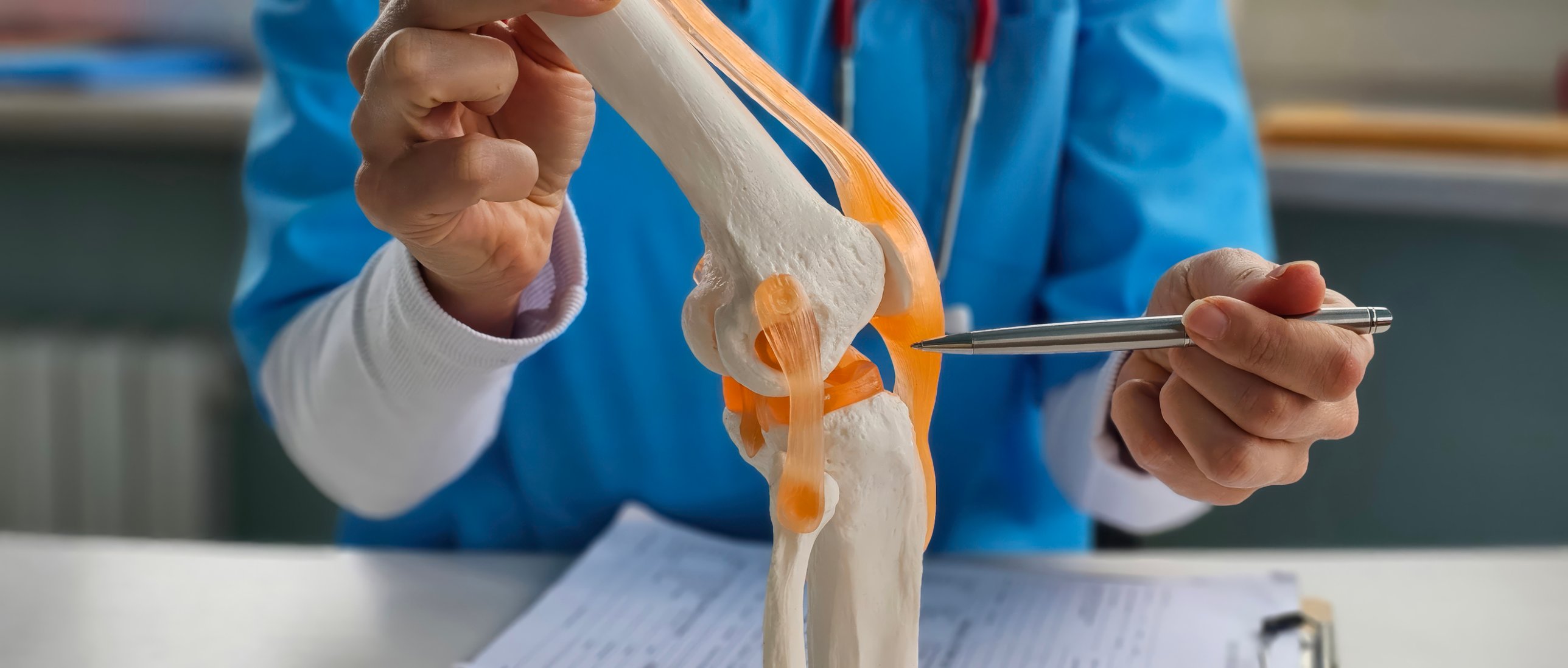
ACL and MCL injuries in soccer typically occur during non-contact deceleration, landing, or cutting movements, precisely the mechanics that define the modern attacking game. An ACL rupture is effectively a tournament-ending diagnosis. MCL Grade I and II injuries, however, may be managed non-operatively with bracing and aggressive rehabilitation, allowing selected players to return within weeks.
Meniscus damage frequently occurs alongside knee ligament injuries and is often the more subtle, and more underestimated, of the two. A locked or mechanically symptomatic knee mid-tournament requires rapid assessment to distinguish between injuries that can be managed conservatively and those that require immediate surgical intervention.
For injuries requiring post-tournament reconstruction, ligament repair and reconstruction, meniscus repair, and cartilage restoration are the primary interventions. The Spare the Scalpel® philosophy, prioritizing non-operative management including targeted injections and physical therapy before surgical escalation, guides in-tournament decision-making at every stage.
Shoulder Injuries: Goalkeepers and the Hidden Casualty of Every Tournament
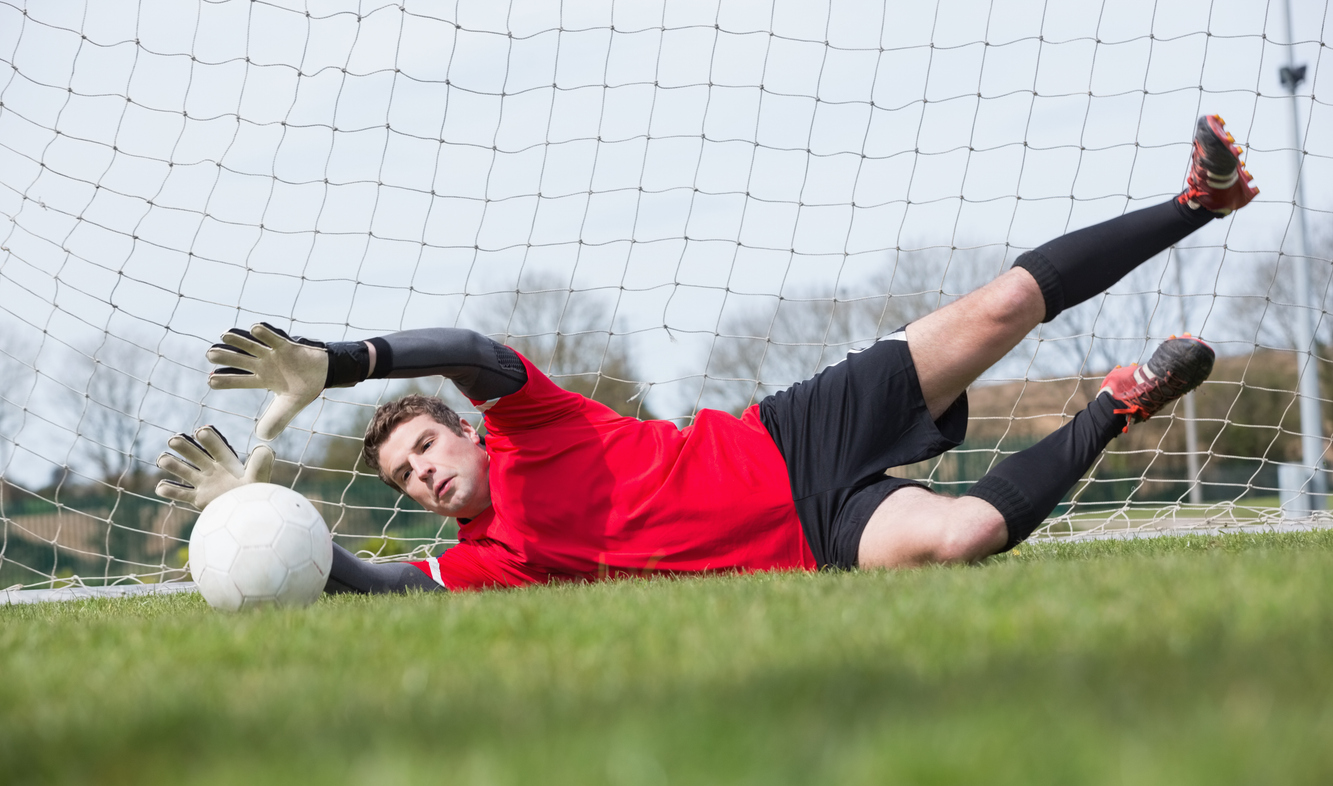
Shoulder injuries in elite soccer are disproportionately concentrated in goalkeepers, who sustain high-velocity falls, diving saves, and direct contact that places extraordinary demand on the glenohumeral joint. AC joint separations, labral tears, and rotator cuff injuries are the most frequently managed shoulder conditions at the international level.
Grade I and II AC joint injuries and partial rotator cuff tears can often be managed through the tournament with targeted cortisone or PRP injection therapy, bracing, and load modification, preserving a goalkeeper’s ability to play while protecting against further structural deterioration. Grade III AC separations and full-thickness rotator cuff tears, however, typically require post-tournament surgical evaluation.
Elbow Injuries: An Underreported Risk in Aerial Duels and Goalkeeper Play
Elbow injuries in soccer are less common than knee or shoulder pathology, but they are routinely underreported, particularly in goalkeepers and outfield players involved in aerial challenges. Olecranon contusions, UCL sprains, and radial head fractures can all result from high-impact falls and blocked shots. What appears to be a minor elbow contusion on the sideline may represent more significant ligamentous or osteochondral damage requiring imaging and formal evaluation before return-to-play clearance.
Concussion and Head Injuries: The Protocol That Cannot Be Compromised
With heading central to elite soccer, head injuries remain a significant clinical concern at the World Cup level. International concussion guidelines are unambiguous on this point: no player returns to the pitch in the same match following a confirmed or suspected concussion, regardless of tournament stakes. Post-concussion management follows a structured, staged return-to-play protocol, and any player with a history of multiple concussions warrants additional neuropsychological baseline testing before clearance.
Post-Tournament: When the Real Surgical Work Begins
For injuries managed conservatively through the tournament, partial ACL tears, unstable meniscus lesions, chronic ankle instability, the end of the World Cup opens the surgical calendar. Post-season treatment options include cartilage restoration, osteochondral allograft transplantation, ligament reconstruction, and OrthoBiologics, natural substances including cells, growth factors, and tissue that stimulate regeneration and restore long-term joint function. If a soft tissue or joint injury from soccer hasn’t resolved with rest, requesting an appointment online or calling Midwest Orthopaedics at Rush is the way to get the same tier of evaluation.
Frequently Asked Questions
What is the most common serious injury at the World Cup?
Hamstring strains are consistently the single most frequent injury diagnosis in World Cup injury surveillance, with muscle and tendon injuries overall the most common tissue type.
Can a Grade II hamstring strain heal in time to finish a tournament?
It depends on the grade and location. Some Grade II strains respond to accelerated rehab and biologic treatment, but higher-grade tears usually end tournament participation.
Why are goalkeepers more prone to shoulder injuries than outfield players?
Diving saves and high-velocity falls concentrate repetitive impact and load on the glenohumeral joint in a way outfield play typically doesn’t.
What is the rule on returning to play after a concussion?
International consensus guidelines are unambiguous: no player returns to the same match after a confirmed or suspected concussion, and return to play afterward follows a structured, staged protocol.
Medical Disclaimer: This information is for educational purposes only and does not constitute medical advice. For diagnosis and treatment recommendations, please consult with Dr. Cole or another qualified orthopedic specialist at Midwest Orthopaedics at Rush.
Resources
Serner A et al. 2025. Time-loss injuries and illnesses at the FIFA World Cup Qatar 2022. Science and Medicine in Football. https://doi.org/10.1080/24733938.2024.2357568
Patricios JS et al. 2023. Consensus statement on concussion in sport: the 6th International Conference on Concussion in Sport–Amsterdam, October 2022. British Journal of Sports Medicine. https://doi.org/10.1136/bjsports-2023-106898