
In this article
- What Back-to-Back Playoff Games Actually Do to an NBA Player’s Body
- Carbohydrate Timing: The Fuel That Keeps Playoff Athletes Explosive
- Protein Does More Than Rebuild Muscle, It Protects Playoff Rosters
- Anti-Inflammatory Nutrition: Keeping Joints in the Game
- When Nutrition Has Limits: Protecting the Joints That Don’t Bounce Back
- Frequently Asked Questions
- Resources
Back-to-back playoff games leave too little time for the body to restore glycogen, repair muscle, and calm inflammation, which is why some players fade as a series goes on. Well-timed carbohydrates, enough protein, and anti-inflammatory nutrition all help athletes hold up between games. Nutrition has limits, though: persistent joint pain or swelling needs medical evaluation.
The NBA Playoffs are unlike anything else in professional sports: 48 minutes of explosive sprints, brutal contact, and zero margin for error, repeated every 48 hours with minimal recovery time. Players who looked dominant in the regular season suddenly hit a wall in the second round, and fans often wonder why. The answer isn’t always conditioning or coaching. Often, it comes down to what players are putting in their bodies, and when.
What Back-to-Back Playoff Games Actually Do to an NBA Player’s Body
As team physician for the Chicago Bulls, the physical toll of consecutive playoff games is something witnessed firsthand, and it goes far deeper than sore legs. During a single game, elite basketball players can cover four to five miles, execute hundreds of reactive cuts, and absorb repeated contact from opponents averaging 220+ pounds. Repeat that the next night, and the body’s ability to clear metabolic waste, repair micro-tears in muscle tissue, and restore glycogen stores is genuinely compromised.
Inflammation compounds across games. Joint stress accumulates. Reaction time measurably declines. For athletes already managing nagging knee or shoulder issues, this accelerated wear can push a manageable problem toward a serious one, fast.
Carbohydrate Timing: The Fuel That Keeps Playoff Athletes Explosive
Glycogen, stored carbohydrate, is the primary fuel for the high-intensity bursts that define playoff basketball. When glycogen isn’t fully restored between games, players lose explosiveness, make poor decisions under pressure, and increase their injury risk in the fourth quarter, when it matters most.
The post-game window is critical. Consuming 1.0 to 1.2 grams of carbohydrate per kilogram of body weight within 30 to 60 minutes after the final buzzer jumpstarts glycogen resynthesis before the body’s cortisol response dampens absorption. For a 220-pound player, that means roughly 100 to 120 grams of fast-digesting carbohydrates, not a protein shake alone.
Protein Does More Than Rebuild Muscle, It Protects Playoff Rosters
Most people understand that protein repairs muscle. What’s less appreciated is the immune dimension. Research on supplemental whey protein shows it augments lean mass and supports muscle protein synthesis during recovery from inactivity, and that higher leucine content drives even greater responses. These same mechanisms are directly relevant to playoff athletes recovering between games.
Critically, the importance of dietary protein extends beyond muscle repair into immune surveillance during intensified training. Athletes in a protein-insufficient state experience larger surges in circulating stress hormones and measurable impairment in immune function, creating an “open window” of increased infection susceptibility at precisely the moment roster depth is most exposed. A starter who catches a respiratory infection in Round 2 creates not just a health problem, but a competitive one.
Anti-Inflammatory Nutrition: Keeping Joints in the Game
Beyond protein and carbohydrates, anti-inflammatory nutrition plays a direct role in joint recovery between games, an area of particular relevance in basketball, where knees and shoulders absorb nightly contact and landing forces. Omega-3 fatty acids from salmon and fish oil, plant polyphenols, turmeric, and tart cherry juice have all shown measurable effects on reducing inflammatory markers in team sport athletes between consecutive high-output performances.
This proactive approach to joint care, undenatured collagen, turmeric extract, and other clinically studied ingredients that support cartilage health and a balanced inflammatory response, is the same philosophy behind AGYL, the joint supplement developed by Dr. Cole for active individuals managing the repetitive stress of sport. Paired with sound nutrition and consistent training load management, it’s one more tool in a comprehensive joint health program, not a replacement for medical evaluation when pain persists.
When Nutrition Has Limits: Protecting the Joints That Don’t Bounce Back
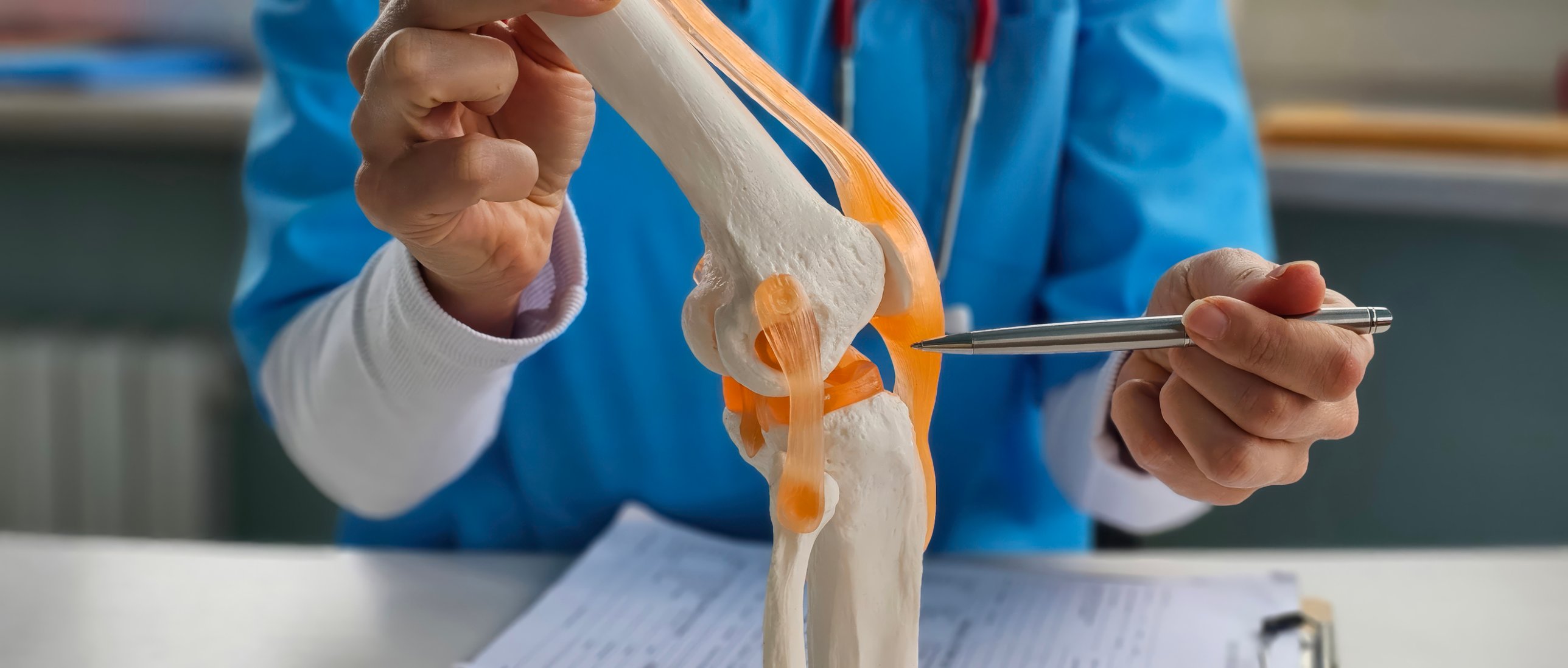
Even the most disciplined nutrition protocol cannot fully offset the structural wear of a deep playoff run. Repeated game-to-game loading creates cumulative stress on the knee, shoulder, and elbow, and cartilage that absorbs this punishment over a full season may need more than dietary support to recover fully.
For athletes dealing with persistent joint pain, swelling, or cartilage damage that hasn’t resolved between rounds, advanced treatment options including knee cartilage restoration, osteochondral allograft transplantation, and orthobiologics are designed to address structural damage and restore long-term joint function, not just manage symptoms through the postseason. If joint pain or swelling isn’t resolving with rest and good fueling between games, requesting an appointment online is the way to find out whether something more than diet is going on.
Frequently Asked Questions
How much carbohydrate should an athlete eat right after a game?
Roughly 1.0 to 1.2 grams per kilogram of body weight within 30 to 60 minutes of finishing, before the post-exercise cortisol response starts to dampen absorption.
Is a protein shake enough to recover between back-to-back games?
No. Protein supports muscle repair and immune function, but glycogen resynthesis depends specifically on carbohydrate intake, not protein alone.
Can nutrition really affect infection risk during a playoff run?
Yes. Insufficient protein intake is associated with larger stress hormone surges and measurable immune impairment, which can open a window of increased infection susceptibility during intense competition stretches.
Can diet alone prevent joint damage from a long playoff run?
No. Anti-inflammatory nutrition and joint supplementation can support recovery, but cumulative structural wear on cartilage sometimes requires medical evaluation and treatment beyond what diet can provide.
Medical Disclaimer: This information is for educational purposes only and does not constitute medical advice. For diagnosis and treatment recommendations, please consult with Dr. Cole or another qualified orthopedic specialist at Midwest Orthopaedics at Rush. Dr. Cole formulated AGYL and holds a financial interest in Motion Doctors LLC, the company behind it.
Resources
Esen O et al. 2022. Practical nutrition strategies to support basketball performance during international short-term tournaments: A narrative review. Nutrients. https://doi.org/10.3390/nu14224909
Oikawa SY et al. 2018. A randomized controlled trial of the impact of protein supplementation on leg lean mass and integrated muscle protein synthesis during inactivity and energy restriction in older persons. The American Journal of Clinical Nutrition. https://doi.org/10.1093/ajcn/nqy193