
In this article
- The Culture of Playing Through Pain
- Ligament Injuries: The Line Between Playing and Sitting
- Meniscus Damage: The Injury Players Try to Skate Through
- Shoulder Injuries: The Boarding and Blocked-Shot Toll
- The Psychological Side of Playing Hurt
- Post-Season: When the Real Treatment Begins
- Frequently Asked Questions
- Resources
Hockey players who compete through injury in the Stanley Cup Finals depend on team physicians to separate injuries that are painful but stable from those that will get worse with continued play. Lower-grade MCL sprains, stable meniscus tears, and mild shoulder separations can often be managed through a playoff run, while a torn ACL or a displaced meniscus tear usually cannot. Definitive treatment for many of these injuries happens after the season ends.
Every year, the Stanley Cup Finals produce the same storyline: a player who logs playoff minutes on a leg, shoulder, or knee that would sideline anyone else for weeks. It gets framed as toughness, and in the moment, it often is. But behind every highlight of a player blocking a shot or finishing a shift on an injured leg is a medical staff making a real-time judgment call about how much risk that player’s body can absorb. Understanding what actually happens to elite athletes who compete through injury, and what it costs them later, is more useful than the highlight reel.
The Culture of Playing Through Pain
Hockey has one of the highest tolerances for playing injured of any major sport. Blocked shots, boarding, and open-ice collisions happen at high speed and close quarters, and the playoff structure, win or go home, creates enormous pressure to stay on the ice. Team physicians are put in the position of separating injuries that are painful but stable from injuries that carry a real risk of getting significantly worse with continued play. That distinction, not the player’s own pain tolerance, is what should determine whether someone keeps skating.
Ligament Injuries: The Line Between Playing and Sitting
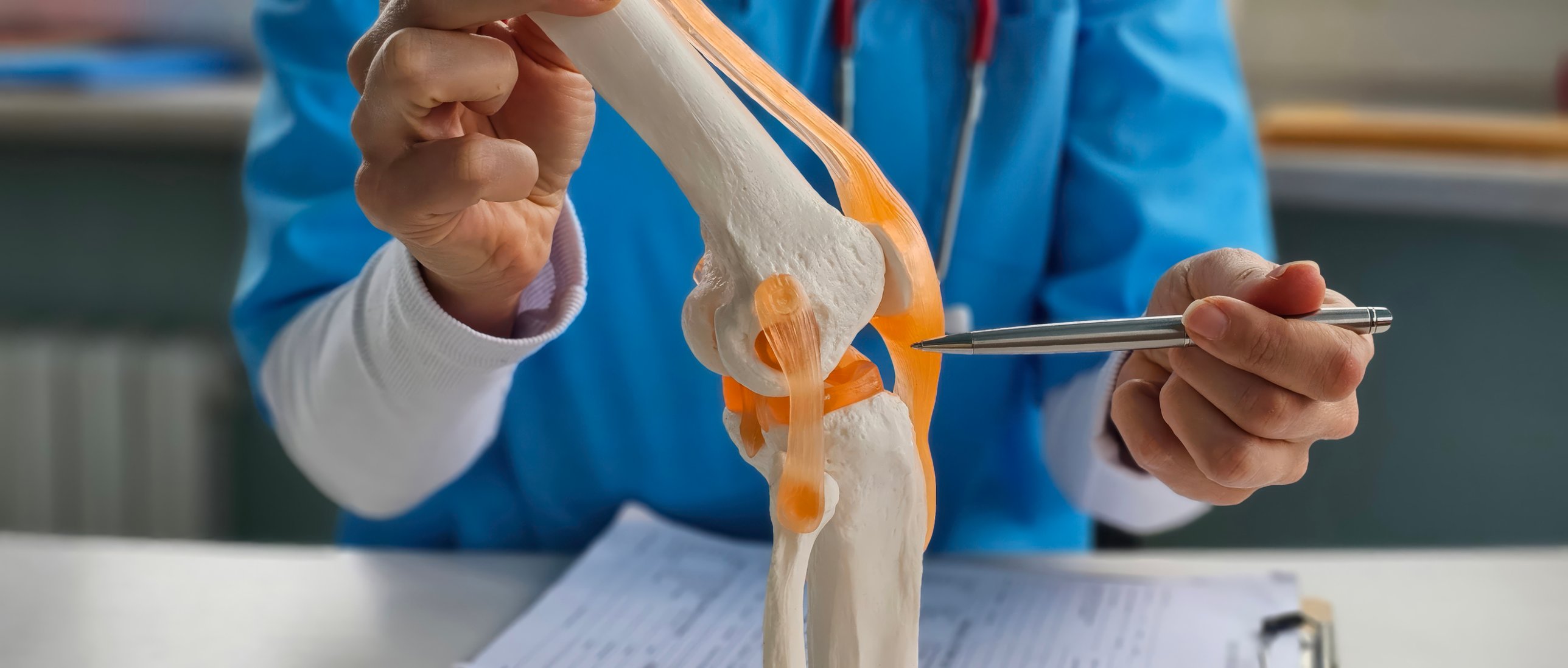
MCL and ACL injuries are among the most common serious injuries in hockey, typically caused by awkward landings, leg-on-leg contact, or a skate edge catching at the wrong moment. A Grade I or II MCL sprain, while painful, is often stable enough to manage with bracing and a modified game plan. A full ACL tear is a different category entirely: the knee loses functional stability, and playing through it risks turning a season-ending injury into a career-affecting one. The decision to keep a player on the ice after a significant ligament injury is one of the highest-stakes calls a team physician makes during a playoff run.
Meniscus Damage: The Injury Players Try to Skate Through
Meniscus damage frequently shows up alongside ligament injuries, but it can also occur on its own from a hard pivot or awkward stride. Because it doesn’t always cause the knee to give way the way a ligament tear does, players and even coaching staff can underestimate it. A small, stable tear may allow a player to continue with limited effect. A displaced or mechanically locking tear is a different problem: it can cause the knee to catch or lock mid-stride, which is both a performance risk and a setup for further cartilage damage if it goes unaddressed.
Shoulder Injuries: The Boarding and Blocked-Shot Toll
Shoulder injuries in hockey are driven largely by direct contact: getting checked into the boards, blocking a shot at an awkward angle, or falling on an outstretched arm. AC joint separations and labral injuries are the most frequently managed shoulder conditions in the sport. Lower-grade AC separations can often be played through with taping, bracing, and load modification. Higher-grade separations and significant labral tears are a different story, and pushing through them in-season raises the risk of turning a manageable injury into one that needs surgical repair.
The Psychological Side of Playing Hurt
The physical injury is only part of the picture. Research on elite athletes has found that behavioral and cognitive attitudes toward pain, including a tendency to normalize or downplay it, are meaningfully associated with how injuries are managed and how often they recur. Separate research on competitive athletes has proposed a framework for understanding sports injury as its own kind of stressor, one that can carry psychological weight well beyond the physical recovery timeline. In a playoff environment where the cultural expectation is to play through pain, that psychological pressure can push athletes toward decisions that aren’t in their long-term physical interest, which is exactly why an objective medical opinion, not team pressure or personal pride, should be driving return-to-play decisions.
Post-Season: When the Real Treatment Begins
For the injuries that get managed conservatively through a playoff run, partial ligament sprains, stable meniscus tears, lower-grade shoulder separations, the offseason is when definitive treatment actually happens. Depending on the injury, that can mean platelet-rich plasma or other orthobiologic injections to accelerate healing, structured rehabilitation, or, for more significant damage, surgical options like meniscus repair or cartilage restoration. The Spare the Scalpel® approach, non-operative management first wherever it’s a legitimate option, guides that decision-making even after the pressure of playoff hockey is gone.
The same injuries that get gutted through under playoff lights are ones recreational athletes deal with year-round without a training staff managing the risk. If you’re playing through a knee, shoulder, or joint injury that hasn’t fully resolved, requesting an appointment online or calling Midwest Orthopaedics at Rush is the way to get the same level of evaluation elite athletes receive.
Frequently Asked Questions
Is it ever medically safe to play on a torn ACL?
Generally, no. A fully torn ACL leaves the knee functionally unstable, and continuing to play significantly raises the risk of further damage to the meniscus and cartilage.
Why do some shoulder separations allow a player to keep competing while others don’t?
It comes down to grade. Lower-grade AC joint separations are often stable enough to manage with bracing and modified play; higher-grade separations involve more ligament disruption and a real risk of worsening.
Does playing through pain actually increase injury risk later?
Research suggests that attitudes which normalize playing through pain are associated with how injuries are managed and how often they recur, which is one reason objective medical evaluation matters more than pain tolerance.
What treatment options are available once the season ends?
Depending on the injury, options range from orthobiologic injections like platelet-rich plasma to structured rehabilitation to surgical repair, including meniscus repair or cartilage restoration for more significant damage.
Medical Disclaimer: This information is for educational purposes only and does not constitute medical advice. For diagnosis and treatment recommendations, please consult with Dr. Cole or another qualified orthopedic specialist at Midwest Orthopaedics at Rush.
Resources
Saragiotto BT et al. 2014. Risk factors and injury prevention in elite athletes: a descriptive study of the opinions of physical therapists, doctors and trainers. Brazilian Journal of Physical Therapy. https://doi.org/10.1590/s1413-35552012005000147
Yang SX et al. 2022. Sports injury and stressor-related disorder in competitive athletes: a systematic review and a new framework. Burns & Trauma. https://doi.org/10.1093/burnst/tkac017