In this article
- What Professional Athletes Have Always Had Access To
- What Has Changed: Biologics Are Now a Mainstream Clinical Option
- A Biologics-Before-Surgery Treatment Framework
- Advanced Cartilage Care: No Longer Reserved for the Pros
- Nutrition as the Foundation of Biological Recovery
- Frequently Asked Questions
- Resources
Most of what is done for professional athletes is now available to the recreational athlete. PRP, BMAC, and advanced cartilage restoration procedures have moved from elite sport into mainstream orthopedic practice, often within a biologics-before-surgery framework that evaluates non-operative options before surgical escalation.
For decades, there has been an unspoken assumption in sports medicine: that the cutting-edge treatments available to professional athletes — the rapid recovery protocols, the biologic injections, the advanced cartilage procedures — exist in a separate tier of care that recreational athletes simply cannot access. That assumption is no longer accurate. Most of what is done for professional athletes is now available to the recreational athlete, and understanding what that means for your joints is worth your attention.
What Professional Athletes Have Always Had Access To
The gap between elite and everyday athletic care was never really about technology. It was about access, awareness, and the speed at which innovations traveled from the training room to the clinic. Professional athletes benefit from immediate evaluation, advanced imaging interpreted by specialists with subspecialty expertise in their specific sport, and a treatment menu that prioritizes the fastest and most effective path back to performance, not necessarily the most conservative one insurance would approve first. That treatment menu has consistently included biologic therapies: Platelet-Rich Plasma (PRP), Bone Marrow Aspirate Concentrate (BMAC), and advanced cartilage restoration procedures that address structural joint damage rather than simply managing its symptoms. These were not experimental interventions when used in professional sport — they were evidence-based tools applied by physicians with deep expertise in musculoskeletal biology. The research infrastructure simply took time to reach the broader patient population.
What Has Changed: Biologics Are Now a Mainstream Clinical Option
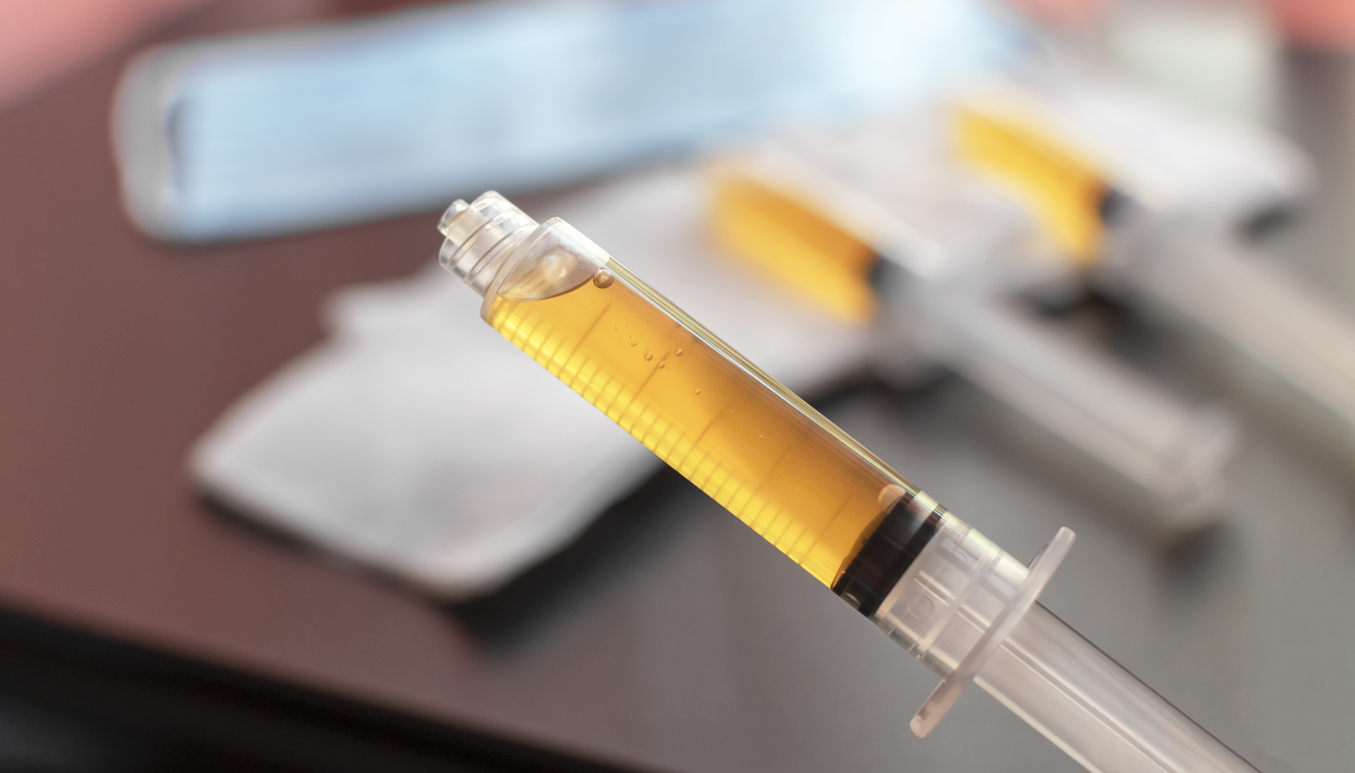
The research base supporting orthobiologics has matured significantly over the past decade. PRP therapy, which concentrates growth factors from a patient’s own blood and delivers them directly to damaged tissue, now has clinical evidence supporting its use in knee osteoarthritis and rotator cuff tendinopathy — conditions that sideline recreational athletes most frequently. It is available in outpatient clinic settings, requires no general anesthesia, and carries minimal recovery time. BMAC and advanced cell-based therapies, which use the body’s own regenerative cells to stimulate repair in damaged cartilage and soft tissue, have similarly moved from elite sport into mainstream orthopedic practice.
A Biologics-Before-Surgery Treatment Framework
One of the most meaningful shifts in sports medicine over the past decade is the formalization of a biologics-first treatment framework — the recognition that many conditions previously managed with surgery can be effectively treated with targeted biologic intervention when applied precisely and at the right stage of pathology. This approach evaluates non-operative options including PRP, hyaluronic acid viscosupplementation, targeted cortisone injection, and physical therapy before surgical escalation, not because surgery is a last resort in every case, but because the right biologic intervention at the right time frequently produces outcomes that make surgery unnecessary. For the weekend warrior who wants to stay active without extended surgical recovery, this framework is directly relevant to how care gets structured from the first appointment.
Advanced Cartilage Care: No Longer Reserved for the Pros
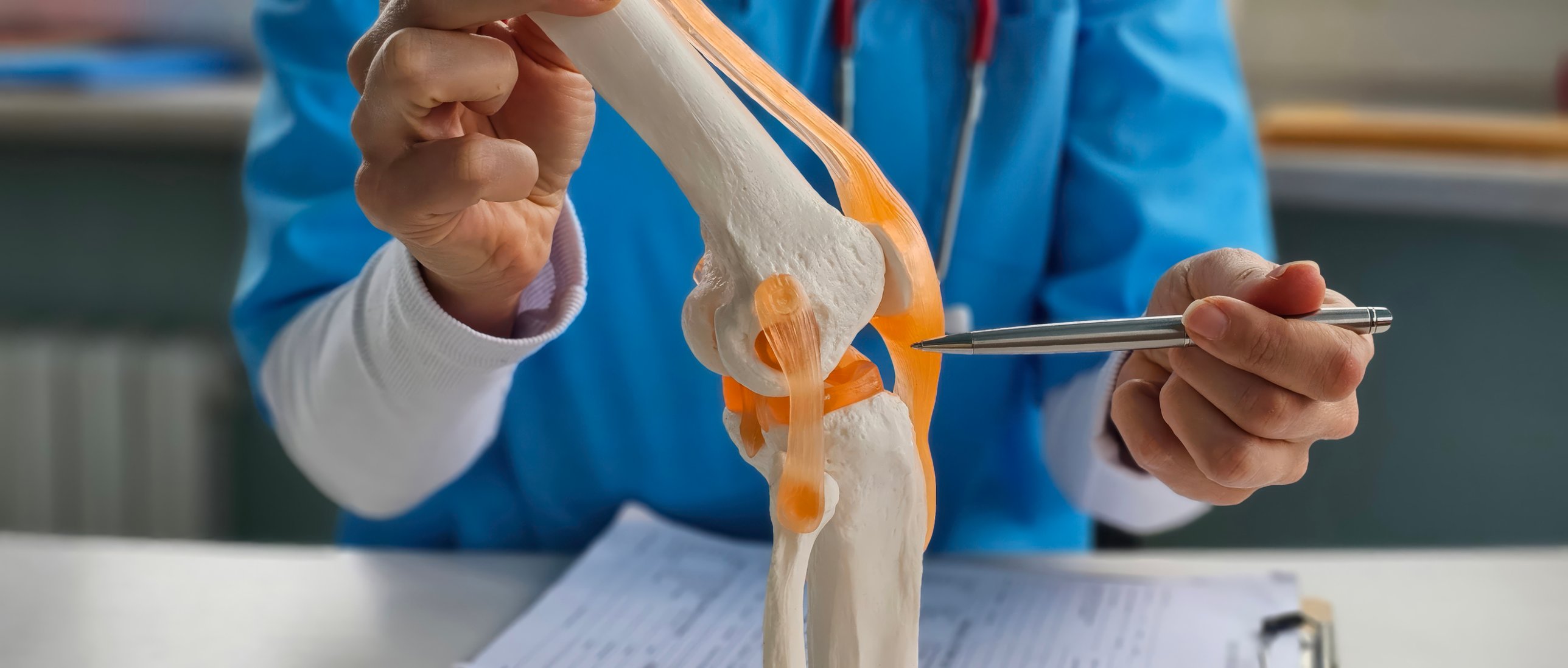
Cartilage restoration procedures, including osteochondral allograft transplantation, which replaces damaged cartilage with donor tissue to restore joint surface integrity, were once performed almost exclusively in professional and collegiate athletes for whom return to high-level sport was the primary clinical goal. That is no longer the case. The weekend runner who wants to get back to marathons, the recreational skier managing a cartilage lesion, and the masters tennis player with early joint degeneration are all appropriate candidates for cartilage restoration evaluation, and all are patients who can benefit from the same surgical precision and biological support that professional athletes have always received. Meniscus repair and ligament reconstruction similarly follow this democratized model: the ACL reconstruction performed for a collegiate soccer player and the one performed for a 45-year-old recreational athlete use the same graft options, the same surgical technique, and the same rehabilitation framework, because the goal in both cases is the same — restoring full, durable joint function.
Nutrition as the Foundation of Biological Recovery
What professional athletes have always understood, and recreational athletes are increasingly recognizing, is that biologic treatment outcomes are directly influenced by the nutritional environment in which recovery occurs. Evidence-based protein, leucine, and anti-inflammatory nutritional guidance extended to patients undergoing joint treatment reinforces that the biological tools used in the clinic work best when a patient’s nutritional status supports tissue repair at the cellular level. If you are managing a joint injury or a recurring overuse condition, an evaluation with a sports medicine specialist is the clearest way to understand what biologic and cartilage care options are appropriate for your level of activity. Learn more at briancolemd.com, or request an appointment online.
Frequently Asked Questions
Is PRP therapy only for professional athletes?
No. PRP is available in standard outpatient orthopedic settings and is used to treat the same overuse and degenerative conditions that affect recreational athletes, including knee osteoarthritis and rotator cuff tendinopathy.
What is BMAC and how does it differ from PRP?
Bone Marrow Aspirate Concentrate (BMAC) uses regenerative cells drawn from a patient’s own bone marrow, while PRP concentrates growth factors from blood. Both are used to support tissue repair, with the choice depending on the specific condition being treated.
Does trying a biologic treatment first mean surgery is being avoided unnecessarily?
No. A biologics-first framework means non-operative options are evaluated before surgical escalation, but surgery remains appropriate when imaging and clinical exam confirm damage unlikely to resolve without it.
Are recreational athletes appropriate candidates for cartilage restoration surgery?
Yes. Cartilage restoration procedures once reserved for professional and collegiate athletes are now performed for recreational athletes with the same surgical technique and rehabilitation framework, based on the specific joint pathology rather than competitive level.
Medical Disclaimer: This information is for educational purposes only and does not constitute medical advice. For diagnosis and treatment recommendations, please consult with Dr. Cole or another qualified orthopedic specialist at Midwest Orthopaedics at Rush.
Resources
Glinkowski WM et al. 2025. Platelet-Rich Plasma for Knee Osteoarthritis: A Comprehensive Narrative Review of the Mechanisms, Preparation Protocols, and Clinical Evidence. Journal of Clinical Medicine. https://doi.org/10.3390/jcm14113983
A Hamid MS, Sazlina SG. 2021. Platelet-rich plasma for rotator cuff tendinopathy: A systematic review and meta-analysis. PLoS ONE. https://doi.org/10.1371/journal.pone.0251111