In this article
- Why the Preseason Injury Wave Is Not Random
- Hamstring Injuries: The Most Predictable Pattern
- Non-Contact Knee Injuries: The High-Stakes Signal
- Shoulder Injuries: The Collision Variable
- What Camp Injuries Predict About In-Season Risk
- Treatment Timelines and the Return-to-Play Decision
- Frequently Asked Questions
- Resources
NFL training camp injuries are not random. The rapid jump in workload after a lighter offseason drives predictable hamstring, knee, and shoulder injury patterns each August, and players who sustain camp injuries carry elevated in-season risk if not fully recovered. The players who stay healthy through a full regular season are generally those whose injuries were managed on the timeline biology requires rather than compressed beyond what the tissue can support.
Every August, NFL headlines fill with players leaving practice after a non-contact injury or pulling up with a hamstring strain. These aren’t simply isolated events — they often reflect predictable patterns of how the body responds to rapid increases in training demands. Here’s what preseason injuries reveal about recovery, injury prevention, and the realities of staying healthy throughout the NFL season.
Why the Preseason Injury Wave Is Not Random
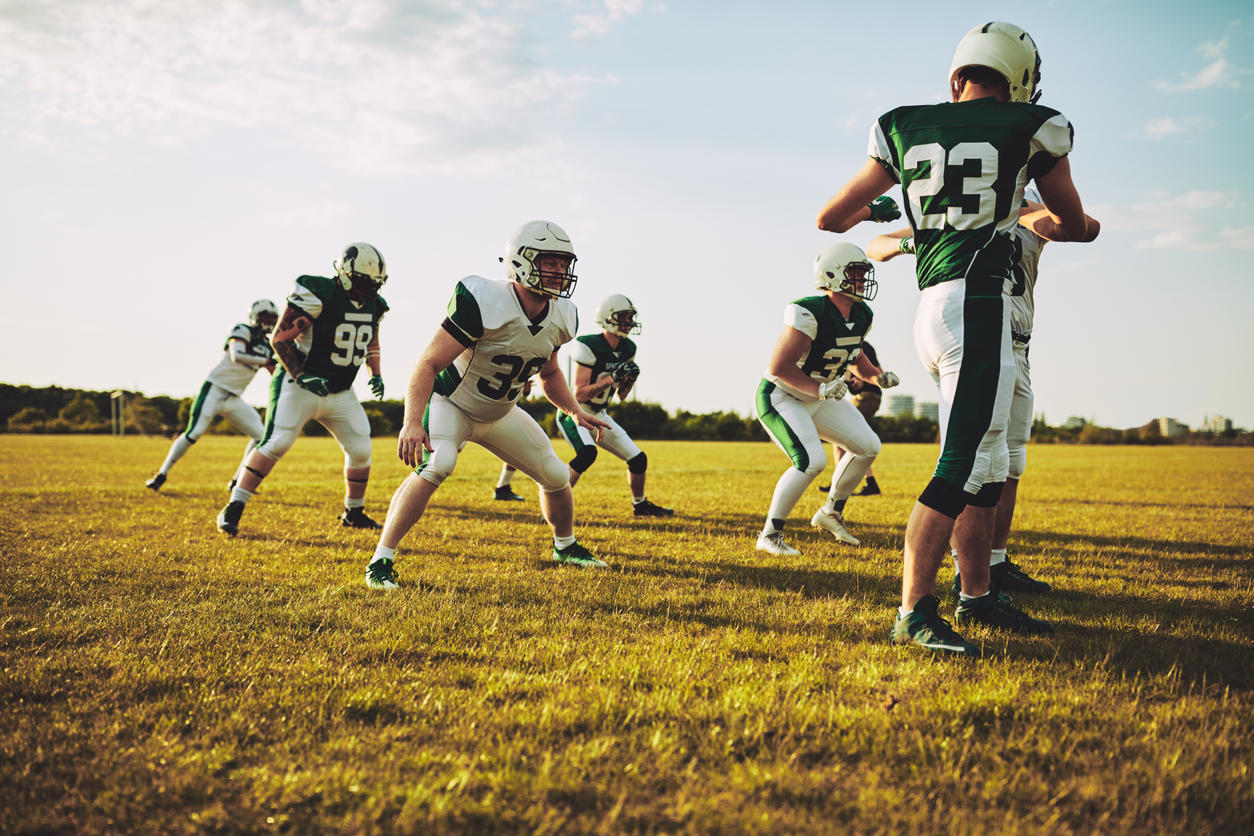
Training camp concentrates an enormous amount of physical stress into a compressed period, typically six to eight weeks of two-a-days, full-contact practices, and preseason games following months of lower-intensity offseason work. The jump in workload is the primary driver of the injury patterns that emerge each August. Research examining the 2020 NFL season, when the preseason was canceled entirely due to COVID-19, found that the 2020-2021 regular season had significantly higher rates of hamstring, groin, calf, quadriceps, and thigh injuries compared to the 2018-2019 season, with total injuries per 1,000 athletic exposures 52 percent higher than the earlier comparison year (88.57 versus 58.17). The conclusion was direct: an absent preseason was associated with a meaningful rise in soft tissue injury rates during the regular season that followed. Preseason injuries are not simply misfortune — they are partly the price of the rapid workload escalation that camp requires, and partly the signal that certain players are carrying tissue vulnerability into the season.
Hamstring Injuries: The Most Predictable Pattern
Hamstring strains dominate the training camp injury wire because they are the most common soft tissue injury in sprint-dependent sports, and NFL camp involves a rapid return to full-speed running after a relatively reduced offseason. Grade one and two strains, which involve partial tearing without complete disruption, typically carry return-to-play timelines of one to four weeks depending on location and severity. What matters clinically beyond the immediate camp absence is whether the strain occurs at the proximal tendon near the sit bone, which carries a longer recovery timeline and higher re-injury risk, or in the muscle belly, which tends to heal more predictably. A hamstring strain in camp that is poorly rehabilitated or returned from too quickly becomes one of the most reliable predictors of a recurrent in-season injury, since the tissue has not fully remodeled before it is loaded at full speed again.
Non-Contact Knee Injuries: The High-Stakes Signal
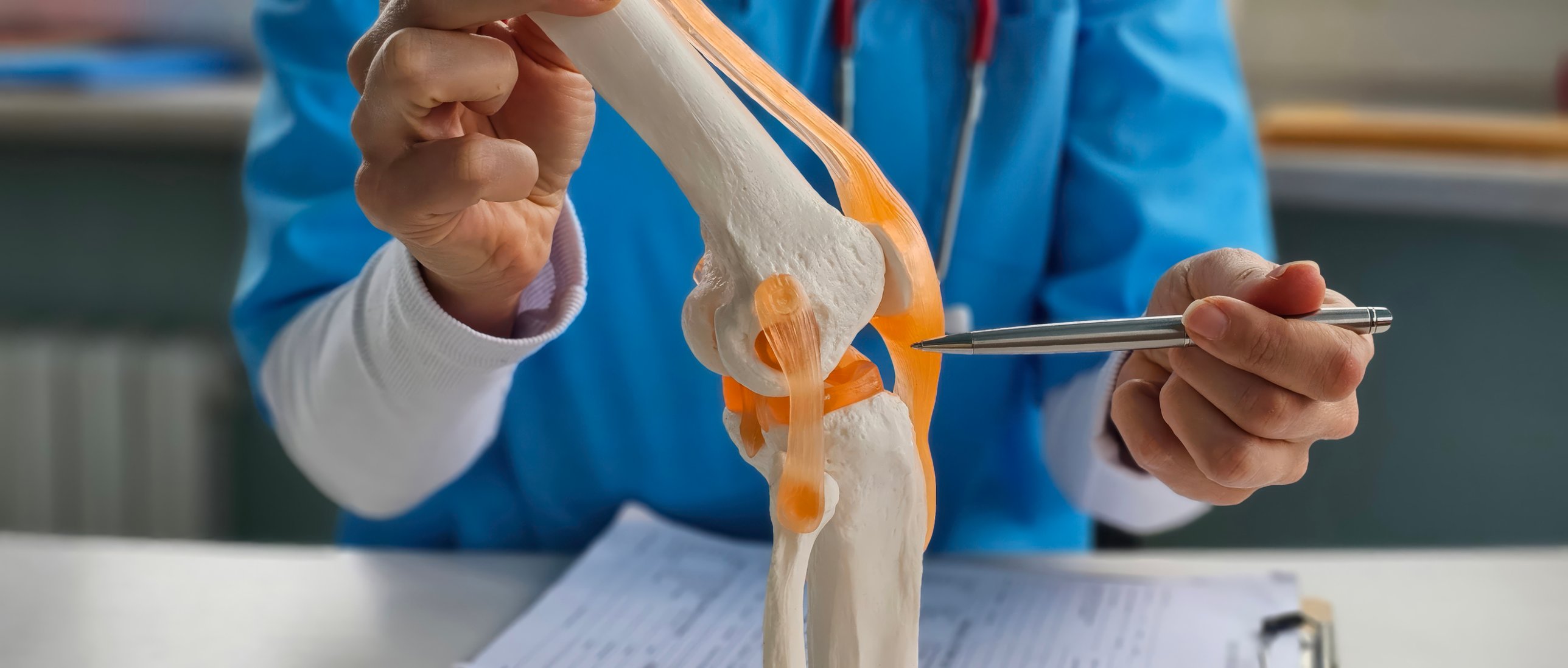
Non-contact knee injuries during camp carry a different weight entirely. When a player goes down without being touched, the clinical concern immediately turns to the ACL, meniscus, and surrounding ligamentous structures. For cartilage and ligamentous injuries of the knee, the in-season implications depend heavily on the specific structure involved and the degree of damage. A partial meniscus tear managed conservatively may allow a player to return in weeks. An ACL rupture ends the season and begins a nine to twelve month reconstruction and rehabilitation process. The non-contact mechanism matters because it suggests the tissue failed under loads the player generates themselves, which is a different risk profile than a collision injury.
Shoulder Injuries: The Collision Variable
The shoulder is the other major structure that accumulates significant stress during camp, particularly once padded practices and live contact begin. Acromioclavicular joint sprains, rotator cuff strains, and labral injuries from collision and fall mechanisms show up consistently through preseason. Unlike hamstring and knee injuries, many shoulder injuries in camp occur through contact rather than pure overload, making them somewhat less predictable from a workload standpoint but no less consequential for the season ahead. A player managing a rotator cuff strain or labral irritation through the preseason frequently finds that the cumulative contact demands of a full regular season either resolve the issue with time or gradually expose the underlying structural problem more clearly.
What Camp Injuries Predict About In-Season Risk
The clinical takeaway from the preseason injury wave is not simply which players missed time in August. It is which players have demonstrated tissue vulnerability under the specific demands of their sport at full intensity. A hamstring strain in camp that resolves cleanly and is followed by a structured return-to-sprint progression carries a different in-season risk profile than one that was rushed back ahead of a preseason game. The pattern of which injuries recur, which body regions accumulate multiple events across a roster, and how individual players respond to their rehabilitation protocols provides a clinical picture of where the fragility is concentrated as the season begins.
Treatment Timelines and the Return-to-Play Decision
Return-to-play decisions for NFL players involve the same fundamental biology as any other athlete, regardless of the financial and competitive pressures surrounding them. Soft tissue heals on a biological timeline that rehabilitation can optimize but not override. Orthobiologic options including PRP and bone marrow concentrate are increasingly used as adjuncts for soft tissue injury recovery in elite sport, with the goal of supporting the tissue environment during healing rather than replacing the timeline that biology requires. The players who return successfully and stay healthy through a full regular season are generally those whose camp injuries were managed with that biological reality in mind rather than compressed beyond what the tissue can support. If persistent joint pain, muscle injuries, or sports-related conditions are limiting your performance, an evaluation by an orthopaedic sports medicine specialist can help identify the problem, guide treatment, and support a safe return to the activities you enjoy. Learn more at briancolemd.com, or request an appointment online.
Frequently Asked Questions
Why do so many NFL injuries happen in training camp?
Training camp concentrates a rapid escalation in workload after months of reduced activity, which is the primary driver of the soft tissue injury patterns that emerge each August.
Do preseason injuries predict regular season problems?
Research from the 2020 season, when the NFL preseason was canceled, found significantly higher regular season injury rates compared to normal years, supporting the idea that preseason training plays a protective role and that players who sustain camp injuries carry elevated in-season risk if not fully recovered.
How long does a hamstring strain take to heal in a football player?
Grade one and two hamstring strains typically carry return-to-play timelines of one to four weeks depending on location and severity, with proximal tendon injuries generally taking longer and carrying higher re-injury risk than muscle belly strains.
Are biologics like PRP used for NFL player injuries?
Yes. Orthobiologic treatments including PRP and bone marrow concentrate are increasingly used as adjuncts in elite sport to support the tissue environment during soft tissue injury recovery, though they work alongside rather than replacing the biological healing timeline.
What types of knee injuries are most common in NFL training camp?
Non-contact knee injuries involving the ACL, meniscus, and cartilage structures are among the most clinically significant, with outcomes ranging from a conservative return in weeks for partial meniscus tears to season-ending surgery for ACL ruptures.
Medical Disclaimer: This information is for educational purposes only and does not constitute medical advice. For diagnosis and treatment recommendations, please consult with Dr. Cole or another qualified orthopedic specialist at Midwest Orthopaedics at Rush.
Resources
Sclafani S et al. 2022. Increased Regular Season Soft Tissue Injury Rates in National Football League (NFL) Players May Be Associated With the Canceled 2020 NFL Preseason Due to COVID-19. Cureus. https://doi.org/10.7759/cureus.24674